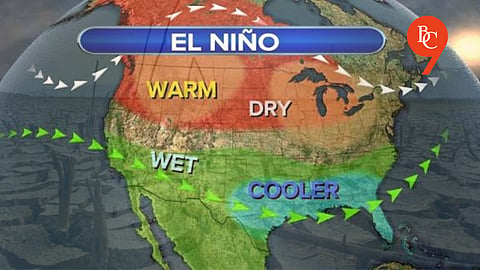

The effects of El Nino, intensified by global climate change, may cause fodder shortages in the near future, endangering livestock and dairy output. In light of this risk, Animal Husbandry Commissioner Dr. Kiran Patil has called on livestock owners to stay alert and manage their fodder supplies carefully.
In view of the possible crisis, farmers and livestock owners have been encouraged to grow nutritious, multi-purpose fodder crops. In addition to their main crops, they are advised to cultivate varieties that can supply high-quality feed for animals.
The department has further requested that farmers preserve naturally occurring grasses on field bunds and fallow land, rather than letting them go unused, as these can serve as an important fodder source during times of shortage.
To hedge against potential shortages, livestock owners have been urged to preserve excess fodder as silage (fermented fodder) or in dried form. Special focus has been placed on conserving fodder crops produced in the Kharif and Rabi seasons by making efficient use of silage technology.
The Animal Husbandry Department notes that fodder preserved as silage can act as a reliable source of animal feed during severe shortages, safeguarding livestock health and sustaining milk production.
The department stressed that advance planning, conservation of natural fodder resources, and the adoption of scientific fodder storage techniques will be crucial to reduce the adverse effects of any future El Niño-induced fodder scarcities.

