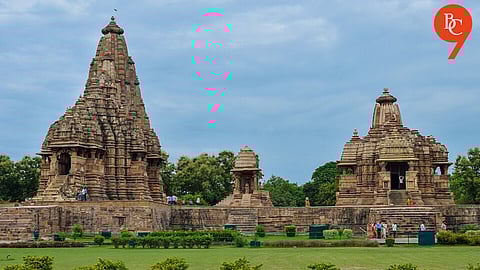


The call for establishing a separate Bundelkhand state has resurfaced in public discussions in Uttar Pradesh, as political figures and local organizations bring the matter to the forefront before the upcoming elections. This proposal, which has emerged intermittently over the years, is based on assertions of economic neglect, frequent droughts, and inadequate infrastructure in the area.
Bundelkhand encompasses areas in southern Uttar Pradesh and northern Madhya Pradesh, including districts like Jhansi, Banda, Chitrakoot, and Hamirpur. Activists claim that although the region boasts a rich cultural heritage and abundant mineral resources, it still falls short in terms of industrial investment, irrigation infrastructure, and job opportunities.
Advocates for statehood contend that creating administrative divisions could lead to more focused policy creation and faster execution of welfare initiatives. They often cite the establishment of smaller states like Uttarakhand and Chhattisgarh as examples where governance was better aligned with local needs.
However, reaching a political consensus remains challenging. Different governments in Uttar Pradesh have acknowledged local concerns but have not fully backed formal statehood proposals. Instead, they have concentrated on targeted development efforts, including irrigation schemes, road enhancements, and agricultural support initiatives.
Experts suggest that the demand is expected to stay more of a political discussion topic rather than an urgent policy focus. Although there is ongoing public support for administrative independence in certain areas of Bundelkhand, advancing towards statehood would necessitate intricate legislative consent and coordination among several states and the central government.
