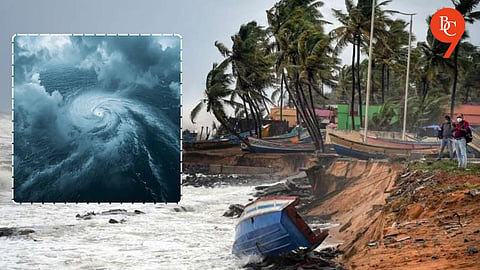

Pune, 14th September 2026: Although subdued rainfall during this monsoon has heightened fears of drought, a fresh alert from the Indian Space Research Organisation (ISRO) indicates the possibility of a particularly severe post-monsoon cyclone season.
ISRO’s assessment warns that up to three major cyclones may form over the North Indian Ocean between October and December, and the study indicates that the total energy produced by these systems could be considerably above the usual levels.
The researchers estimate that the intensity of the post-monsoon cyclone season could be up to 83% higher than the 44-year historical average.
The forecast is based on high Power Dissipation Index (PDI) values, which are used to assess the energy released by tropical cyclones. The findings indicate that sea and atmospheric conditions could remain unusually unstable after the southwest monsoon withdraws.
ISRO researchers studied around 40 years of oceanic and atmospheric data to assess the conditions likely to influence cyclone activity towards the end of the year. They also analysed global climate factors recorded between January and August and used the data to develop a forecast for the October-December period.
The assessment indicates the overall potential intensity of the cyclone season, rather than predicting individual storms. It does not specify where or when a cyclone could make landfall. Actual cyclone formation, movement and landfall will depend on weather and ocean conditions closer to the event.
The forecast comes at a time when below-normal rainfall during the monsoon has already increased concerns about water availability and drought conditions in several areas.

