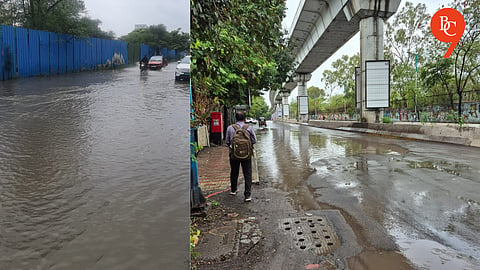


Pune, 11th July 2026: Traffic jams, flooded roads and submerged neighbourhoods have become quiet frequent across India's metro cities during every monsoon. Headlines about waterlogging in Mumbai, Pune now appear almost after every spell of heavy rain. Similar conditions are witnessed in Delhi and Surat as well.
Although changed weather pattern has increased the intensity of rainfall, experts believe that poor civic planning is the primary reason why cities are flooding more frequently.
Studies show that India's total annual rainfall has not increased significantly over the long term. However, the pattern of rainfall has changed considerably. Moderate rainfall days are declining, while heavy and extreme rainfall events are becoming more frequent and intense. Rain now often falls in short bursts over a few hours instead of being spread over several days, making it difficult for urban drainage systems to cope.
This ongoing monsoon has clearly demonstrated this changing rainfall behaviour.
According to the India Meteorological Department (IMD), Pune's Shivajinagar observatory has already recorded 409 mm of rainfall in July, making the July 1-8 period the wettest ever recorded, surpassing the previous record set in 2007.
The rainfall over the Western Ghats has been even more remarkable. Lonavala received 1,569 mm of rain in just three days, while Tamhini recorded a seasonal total of 2,939 mm, of which 1,635 mm fell within only three days, reflecting the growing trend of extremely intense short-duration rainfall.
While nature is delivering heavier downpours, cities are increasingly unable to absorb or drain the water.
Over the past few decades, rapid urbanisation has replaced open land with buildings, roads, parking areas and concrete surfaces. Since rainwater can no longer seep into the ground, most of it flows quickly into streets and low-lying areas turn cities into water pools.
At the same time, many rivers, streams, ponds, wetlands and floodplains that once carried excess rainwater have either disappeared or been encroached upon. These natural drainage systems previously reduced flooding by allowing water to spread and percolate into the soil.
Most stormwater drainage networks were also designed decades ago for much smaller cities. As urban populations and built-up areas expanded rapidly, the drainage infrastructure failed to keep pace. Today, many drains are unable to handle the huge volume of runoff generated during intense rainfall.
The problem is made worse by drains clogged with plastic waste, silt and construction debris. Delayed desilting before the monsoon, poor maintenance and illegal constructions over drainage channels further reduce their carrying capacity, causing water to remain on roads for several hours.
Mumbai has historically remained vulnerable to flooding because of its low-lying coastal geography and high tides. However, the large-scale loss of mangroves, rapid urban expansion and increasing pressure on drainage infrastructure have significantly increased the city's flood risk.
Pune, once known for relatively efficient drainage, has also witnessed frequent waterlogging in recent years. Rapid construction, shrinking natural water channels, encroachments and expanding urban limits have reduced the city's ability to drain rainwater effectively. As a result, several roads and residential areas now experience flooding during periods of heavy rainfall.
Urban planning experts say expanding drainage networks alone will not solve the problem. Protecting rivers, wetlands, streams and floodplains, preventing encroachments, improving waste management, regularly maintaining stormwater drains and promoting sustainable urban planning are equally important.
They also emphasise that preserving open spaces and increasing rainwater percolation into the ground not only reduces waterlogging during heavy rainfall but also helps recharge groundwater, providing an important buffer during years of below-normal rainfall.
As climate change continues to increase the frequency of extreme weather events, cities will need resilient infrastructure that works with nature rather than against it. Without long-term planning and stronger implementation, urban waterlogging is likely to become an even more common feature of India's monsoon seasons.
