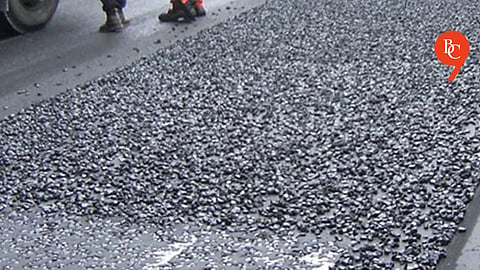


Pune, 3rd April 2026: In a significant policy shift, the Pune Municipal Corporation has decided to stop constructing cement concrete roads in narrow internal lanes across the city.
Municipal Commissioner Naval Kishore Ram clarified that roads less than 9 metres wide will now be developed using asphalt instead of cement.
The decision comes after repeated complaints of waterlogging in residential areas. Pune has nearly 900 kilometres of narrow internal roads, ranging between 6 to 12 metres in width.
Due to inadequate stormwater drainage systems, these lanes often turn into streams during heavy rainfall. Water accumulation in low-lying areas has been entering homes and parking spaces, worsening the situation during recent unseasonal rains.
Authorities observed that cement concrete roads, being non-permeable, block the natural flow of rainwater. This leads to faster surface runoff and increases the risk of flooding in densely populated neighbourhoods. The administration has acknowledged that such roads, though durable, are not suitable for smaller lanes where drainage infrastructure is weak.
Another major concern is the high cost and maintenance issues associated with cement roads. Constructing cement roads costs around ₹6,000 per square metre, compared to ₹4,500 for asphalt roads.
Moreover, frequent digging for utilities such as water pipelines, sewage lines, and cables damages these roads permanently, making repairs difficult and leading to wastage of public funds.
Cement roads also contribute to increased heat in urban areas, adding to the city’s rising temperature concerns. In contrast, asphalt roads are easier to repair and better suited for roads that require frequent maintenance work.
Taking these factors into account, the municipal administration has decided to prioritise asphalt roads for internal lanes. Commissioner Naval Kishore Ram has directed City Engineer Aniruddha Pawaskar to issue an official circular implementing this change.
Going forward, roads up to approximately 7.5 metres wide will primarily be developed using asphalt, with detailed guidelines expected soon.
The move is expected to improve water drainage, reduce flooding incidents, and ensure more cost-effective road development in Pune’s densely populated areas.
