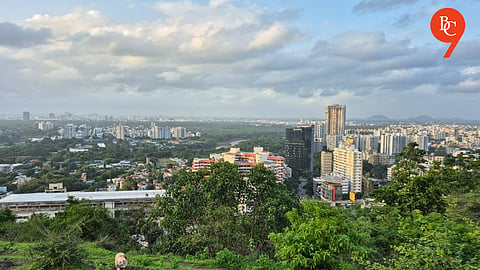


Pune, 1st September 2026: The city has witnessed a sharp reversal weather, going from its wettest July in 119 years to one of its driest Augusts in a decade. The Shivajinagar observatory recorded just 84.5 mm rainfall in August, around 16.3% below normal.
Pune also completed nearly 30 consecutive days without receiving 10 mm or more rain, highlighting the prolonged dry spell.
Despite the August deficit, Pune's cumulative rainfall for June-August remains high at 672.1 mm, making it the third-highest total since 2014. The highest was recorded in 2024 at 925.3 mm, followed by 776.4 mm in 2019. The strong seasonal figure is mainly due to the exceptionally heavy rainfall recorded in July.
The rainfall shortage was not limited to Pune, with several parts of Maharashtra also recording deficient rainfall during August. The absence of favourable weather conditions over the region resulted in reduced monsoon activity and contributed to the prolonged dry spell in Pune.
Due to dry spell, the city's average minimum temperature at Shivajinagar was 22.2°C in August, the joint-highest August average minimum temperature recorded since at least 2014. Thus, August stood out for its combination of low rainfall, a prolonged dry spell and unusually warm nights, despite Pune's strong cumulative monsoon rainfall.
Pune may receive intermittent rain and cloudy weather during the first week of September, but overall rainfall activity is expected to remain subdued. Rainfall intensity could decline further after mid-September, with below-normal rainfall expected across large parts of India.
Daytime temperatures are likely to remain around 28°C-32°C, while nighttime temperatures may stay between 21°C and 24°C.
