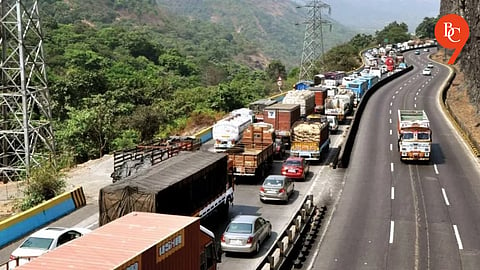


Pune, 13 February 2026: The Pune–Mumbai Expressway, once known for its smooth and high-speed travel, is now struggling under mounting traffic pressure. The road currently handles around 70,000 to 80,000 vehicles every day, while the number rises close to one lakh during weekends and holidays.
This volume has exceeded the carrying capacity set by the Maharashtra State Road Development Corporation (MSRDC), leading to frequent traffic jams.
Built with a 25–30 year projection in mind, the expressway was opened to traffic in 2002 with an estimated 15,000 to 20,000 vehicles using it daily. Authorities had projected an annual traffic growth of 5 to 7 percent. However, the actual rise in vehicle numbers has been much higher than expected.
Since 2018–19, congestion has become a regular issue. The expansion of the Pune and Mumbai metropolitan regions, along with rapid growth in the IT sector, has significantly increased vehicle movement. As a result, the once fast and seamless journey on the expressway is often disrupted by slow-moving traffic.
To address the issue, MSRDC has proposed adding four additional lanes, two on each side of the existing highway. The proposal has been sent to the state government and is awaiting approval. Once cleared, the project is expected to take about five years to complete. The estimated cost of the expansion is ₹14,500 crore.
Rajesh Patil, Joint Managing Director of MSRDC, said that the expressway has reached its traffic limit. He added that the ‘missing link’ project will help reduce congestion, and the proposal to increase four lanes is currently under consideration.
Road safety expert Tanmay Pendse from Pune said that authorities must seriously review the road’s carrying capacity. He emphasized that better coordination among government agencies during emergencies is essential and that timely information must be provided to travellers. He also stressed the need for stricter driving discipline among motorists.
Congestion on the expressway is mainly caused by slow-moving trucks in the ghat section, frequent overtaking that blocks multiple lanes, vehicles exceeding capacity limits, breakdowns and accidents, as well as landslides during the monsoon season which force traffic diversions or stoppages.
While the proposed expansion is expected to ease congestion in the long term, commuters may have to endure traffic challenges for several more years before relief becomes a reality.
