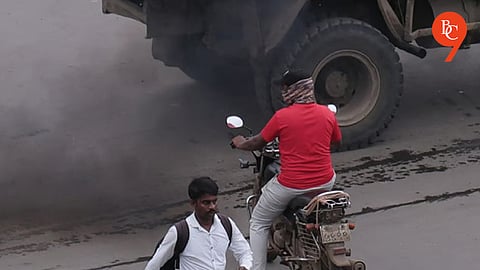

Pune, 18 April 2026: City is grappling with a serious urban challenge as nearly 7 lakh overage vehicles continue to operate illegally on city roads, contributing to traffic congestion and worsening air pollution.
Despite clear regulations, only around 44,800 vehicle owners have complied by paying environmental tax and renewing their registrations.
Out of approximately 44 lakh registered vehicles in Pune, over 7.29 lakh have not undergone re-registration after completing their mandated lifespan of 15 years. This means nearly one in every six vehicles in the city is technically unfit or operating without proper authorization.
These aging vehicles are not only mechanically unsafe but are also major contributors to air pollution due to outdated engines. Many of them emit high levels of toxic gases, significantly impacting Pune’s already deteriorating air quality.
Additionally, such vehicles increase the risk of accidents. Poor engine condition, worn-out brakes, and degraded tyres make them hazardous not just for their owners but for other commuters as well.
Experts suggest that removing these vehicles from roads could reduce pollution levels by up to 80–90%, while cutting nitrogen oxide emissions by nearly 70%.
A significant number of these vehicles fall under older emission standards such as BS-4, with Pune alone having nearly 20 lakh such vehicles.
Regulations mandate that vehicles older than 15 years must obtain a fitness certificate and pay environmental tax to remain roadworthy. However, large-scale non-compliance points to weak enforcement by authorities.
Citizens have begun questioning why strict penalties are imposed for minor violations like helmet rules through CCTV surveillance, while lakhs of illegal vehicles continue to operate unchecked.
The absence of strong action, including vehicle seizure or scrapping, has raised concerns about administrative accountability.

Other metropolitan cities have adopted stricter measures to tackle similar issues. In Delhi, petrol vehicles older than 15 years and diesel vehicles older than 10 years are banned, with strict enforcement in place since July 2025. Meanwhile, Mumbai imposes time restrictions on heavy vehicles to reduce congestion during peak hours.
“The RTO carries out regular action, including against vehicles that have exceeded their lifespan. However, compliance with environmental tax remains low. Many such vehicles are not actively used on city roads, and a significant number are located in rural areas,” said Swapnil Bhosale, Deputy Regional Transport Officer, Pune.
The situation highlights the urgent need for stricter enforcement, improved monitoring, and effective scrapping policies. Without decisive action, Pune risks facing escalating pollution levels and compromised road safety in the coming years.
