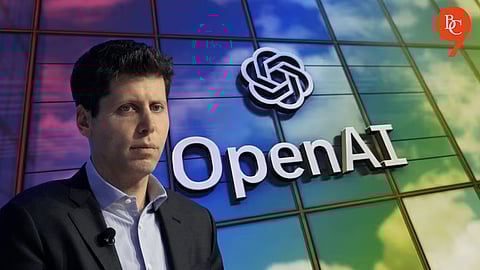


OpenAI appears to be gearing up for its most ambitious pivot yet and it has nothing to do with tweaking a chatbot. According to an Axios report, the AI heavyweight is “on track” to debut its first-ever hardware device in the latter half of 2026, signaling a move beyond the screen.
The hint comes from Chief Global Affairs Officer Chris Lehane, suggesting OpenAI’s future may soon take physical form, something you can hold, wear, or carry. And if early whispers are accurate, this device could challenge conventional ideas of what tech hardware looks like.
For years, OpenAI’s presence has been firmly rooted in software, algorithms, models, and interfaces led by the runaway success of ChatGPT. That narrative began to shift last year with a quiet but telling acquisition: a startup founded by legendary Apple designer Jony Ive.
Details were scarce, but a brief teaser released alongside the deal spoke volumes, pointing to a new product slated for 2026. When Ive enters the picture, expectations rise instantly sleek design, premium craftsmanship, and a vision of the future that feels deliberately understated yet radically new. Whether it ends up being a pin, an earpiece, or something completely unexpected is still a mystery.
Preliminary information indicates that OpenAI is testing compact hardware ideas, potentially including devices without screens or even wearable technology. Imagine it more as a constantly available assistant rather than a miniature smartphone. Sam Altman has also alluded to a more tranquil form of technology, one that doesn't incessantly demand your attention like phones typically do.
Chris Lehane declined to share specifics but confirmed that “devices” are a key OpenAI focus for 2026, with more details coming “much later in the year.” He said late 2026 is the “most likely” window for a reveal, depending on development progress. Reports of OpenAI strengthening audio-based models hint at a voice-first, possibly screenless device, with an announcement expected in late 2026 and wider availability likely in 2027.
