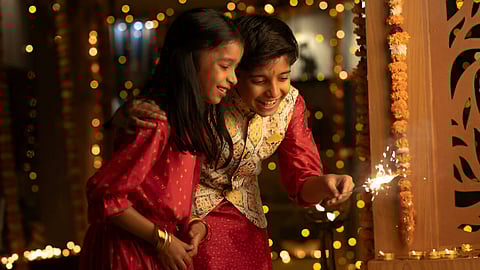


In a major acknowledgment, Deepavali has been included in Unesco's Intangible Cultural Heritage of Humanity list, marking it as the 16th Indian tradition to receive this distinction, alongside Yoga and Durga Puja. Prime Minister Narendra Modi expressed his approval of the initiative, stating that it would enhance the festival's global recognition.
"New inscription on the #IntangibleHeritage List: Deepavali, #India. Congratulations!," UNESCO said in a tweet on Wednesday. The inscription of Deepavall on Unesco's Intangible Cultural Heritage list comes as part of a significant global review underway in New Delhi, where the 20th session of the Intergovernmental Committee for the Safeguarding of Intangible Cultural Heritage is being held from December 8 to 13 at the historic Red Fort.
Prime Minister Narendra Modi conveyed his greetings regarding this, stating, "People in India and around the world are thrilled. For us, Deepavali is very closely linked to our culture and ethos. It is the soul of our civilisation. It personifies illumination and righteousness. The addition of Deepavali to the Unesco Intangible Heritage List will contribute to the festival's global popularity even further. May the ideals of Prabhu Shri Ram keep guiding us for eternity."
During the same round of inclusions, UNESCO also added "Georgian wheat culture: traditions and rituals" from Georgia, acknowledging the country's long-standing agricultural legacy.
For the first time, India is hosting the prestigious UNESCO panel, tasked with evaluating 67 nominations from 79 countries, including Deepavali. The week-long session focuses on safeguarding cultural traditions of historical, artistic, and social significance, reflecting the expanding scope of the intangible heritage programme and rising global efforts to preserve diverse living practices.
UNESCO’s Representative List of the Intangible Cultural Heritage of Humanity this year features cultural treasures from countries around the world. Here’s a glimpse at some of the traditions earning international recognition:
Iceland's Swimming pool culture
The Compas of Haiti
Ghana's highlife music and dance
Georgian wheat culture
Ethiopia's Gifaataa, Wolaita people New Year festival
ElSalvador's Confraternity of flowers and palms
Egypt's Koshary, daily life dish
Czechia's amateur theatre acting
Cyprus's Commandaria wine
Cuba's practice of Cuban Son
Yemen's Hadrami Dan gathering
