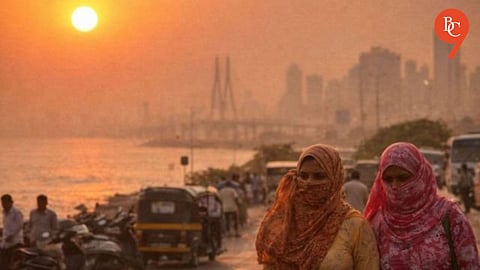


Pune, 10th October 2026: Maharashtra is experiencing an intense spell of October heat, with maximum temperatures across most parts of the state ranging from 2°C to 7°C above normal. The heat is being felt particularly during the afternoon, while Mumbai and Ratnagiri have reported heatwave-like conditions. According to the weather assessment, daytime temperatures may begin to fall around October 20, although warmer nights are also expected in the coming weeks.
The southwest monsoon withdrew from the entire state of Maharashtra on October 8, two days before its usual withdrawal date of October 10. It is expected to withdraw from the remaining parts of the country around October 15, close to its normal date.
The early withdrawal, reduced rainfall and prevailing dry weather conditions have contributed to the rise in temperatures. There is no immediate indication of significant rainfall in Maharashtra or cyclone formation over the Indian maritime region during the next two weeks, according to the assessment.
October temperatures in Maharashtra generally range between 32°C and 34°C. However, current maximum temperatures are significantly higher across most regions, except Khandesh, eastern Vidarbha and parts of north Konkan.
Konkan, including Mumbai: Maximum temperatures ranged from 33°C to 38°C, around 2°C to 7°C above normal.
Madhya Maharashtra: Temperatures across Khandesh and the region extending from Nashik to Solapur ranged between 34°C and 38°C, around 2°C to 4.5°C above normal.
Marathwada: Maximum temperatures in the region's eight districts ranged from 34°C to 36.6°C, around 2°C to 4.5°C above normal.
Vidarbha: Temperatures across 11 districts ranged from 35°C to 39°C, around 2°C to 6.2°C above normal.
Mumbai's Santacruz weather station and Ratnagiri experienced heatwave-like conditions on October 9, highlighting the intensity of the current spell.
Several atmospheric and climatic factors are contributing to the unusually high temperatures across Maharashtra.
Reduced rainfall: The influence of El Niño and the resulting rainfall deficit have contributed to drier conditions, allowing land surfaces to heat up more quickly.
Persistent high-pressure conditions: A high-pressure belt extending from north Gujarat towards West Bengal is keeping atmospheric pressure over Maharashtra approximately 4 to 6 hectopascals above average. While the normal pressure is around 1,008–1,010 hectopascals, current levels are reported to be around 1,012–1,014 hectopascals.
Hot and dry winds: Winds arriving from northwestern parts of India at speeds of around 20–25 kmph are bringing warm, dry air into Maharashtra. These winds are also affecting the movement of cooler sea breezes towards the land.
Clear skies: With little cloud cover, sunlight reaches the ground for most of the day, increasing surface heating and intensifying afternoon temperatures.
While daytime temperatures have risen sharply, minimum temperatures have not increased significantly across most parts of Maharashtra so far.
Alibaug recorded a minimum temperature of 27.6°C, approximately 3°C above normal. Elsewhere in the state, nighttime discomfort has remained relatively limited compared with the afternoon heat.
However, warmer nights are expected to become more noticeable during the week from October 16 to October 22. The combination of elevated daytime temperatures and higher nighttime minimums could make the weather more uncomfortable, particularly in coastal areas.
Mumbai's coastal location usually provides some relief through sea breezes, particularly during the afternoon and evening. However, persistent high-pressure conditions can weaken or delay the movement of these cooler winds towards the city.
As a result, the usual afternoon cooling may be reduced, while the pleasant conditions generally experienced during the late morning may also be affected.
The withdrawal of the monsoon, clear skies and dry atmospheric conditions further increase daytime heating. When sea breezes arrive later or remain weaker than usual, the city can continue to feel hot even after the afternoon.
This year, both maximum and minimum temperatures have been reported above normal in Mumbai, adding to the discomfort associated with October heat.
Daytime temperatures may begin to decline from October 20, coinciding with Dussehra, according to the current weather assessment. This could bring some relief from the intense afternoon heat, although temperatures may not return to normal immediately.
For now, the absence of significant rainfall and the continuation of dry weather conditions are likely to keep temperatures elevated across much of Maharashtra. Residents, particularly those working outdoors during the afternoon, may need to take precautions against prolonged exposure to heat.
