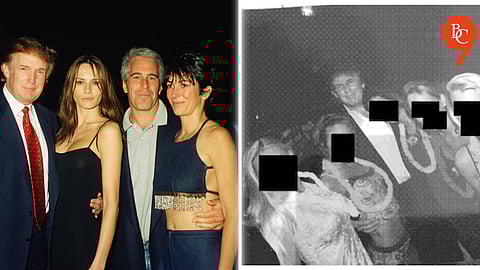


At least 16 files related to convicted sex offender Jeffrey Epstein vanished from the US Justice Department’s public website less than a day after being posted, including one featuring US President Donald Trump.
The materials that went missing, which were shared on Friday and became unavailable by Saturday, featured images of art portraying nude women, along with a photograph of Trump with Epstein, Melania Trump, and Ghislaine Maxwell. This photo was part of a collection of images shown on furniture and within drawers.
The Justice Department has not clarified if the removal was intentional or accidental, and there has been no public update provided. A spokesperson did not answer inquiries. The mysterious disappearance has sparked online speculation regarding what was removed and the reasons behind it, intensifying ongoing public curiosity about Epstein and the notable individuals who associated with him.
The release of thousands of Epstein-related documents mentioned high-profile figures like Bill Clinton, but Donald Trump’s name was largely absent, despite earlier records linking him to Epstein. Trump has denied any involvement in Epstein’s crimes. Democrats questioned the omission, asking, “What else is being covered up? We need transparency for the American public.”
Several anticipated documents, such as FBI interviews with victims and Justice Department memos on charging decisions, were missing from the Epstein release. These omissions have reignited concerns about the 2008 plea deal, which allowed Epstein to avoid federal sex trafficking charges.
High-profile figures like Prince Andrew were barely mentioned, prompting questions about who was scrutinized. Although the release included new elements like a 1996 complaint and Justice Department documents, it mainly focused on photos of Epstein’s properties and images of celebrities and politicians.
Many of the Epstein files released were heavily redacted or lacked essential context. A 119-page "Grand Jury–NY" document was entirely blacked out. Federal prosecutors have admitted that millions of pages exist from sex-trafficking investigations, but only a fraction overlaps with public filings. Despite a congressional deadline, the Justice Department now plans to release materials on a rolling basis, citing the need to protect victims' identities.
