

Pune, 26 March 2026: The Mumbai–Pune Expressway, once known for smooth and high-speed travel, is now facing regular traffic congestion. Instead of reducing travel time, the expressway is increasingly witnessing delays due to excessive traffic.
At present, around 70,000 to 80,000 vehicles use the highway every day, with numbers rising to nearly one lakh on weekends and holidays. This is significantly higher than the initial estimate of 15,000 to 20,000 vehicles when the expressway opened in 2002.
The sharp rise in vehicle numbers is linked to rapid urban expansion and increased connectivity between Pune and Mumbai. Growth in the IT sector, rising car ownership, and weekend tourism, especially to Lonavala, have significantly increased traffic.
Over time, the expressway has shifted from being a fast intercity route to a daily commuter corridor, adding further strain on its infrastructure.
Heavy vehicles play a major role in slowing traffic, particularly in ghat sections like Khandala–Khopoli. Slow-moving trucks reduce overall speed, and even a single breakdown can lead to long traffic queues.
Key choke points such as the Khalapur toll plaza, Lonavala exits, and curved ghat stretches worsen congestion. Sudden lane merging and braking often create ripple-effect traffic jams even without accidents.
Frequent minor accidents and vehicle breakdowns are common on the expressway. These incidents, combined with poor lane discipline, over-speeding, and misuse of emergency lanes, further slow down traffic movement.
Urban spillover from rapidly growing areas like Navi Mumbai, Hinjewadi, and Pimpri-Chinchwad also contributes to congestion, making the expressway function more like a daily urban road.
Rajesh Patil, Joint Managing Director of Maharashtra State Road Development Corporation (MSRDC) acknowledged the situation. He said, “The expressway has reached its traffic limit. The missing link project will help reduce congestion, and the proposal to add four lanes is under consideration.”
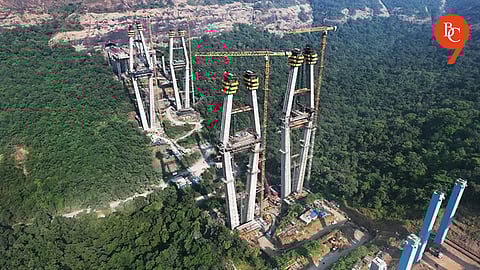
The upcoming ‘Missing Link’ project, expected to open on May 1, aims to reduce travel time between Pune and Mumbai by 20 to 25 minutes. The project will shorten the distance by around 6 km, reduce sharp turns, and ease congestion in ghat sections, while also improving safety.
To tackle long-term congestion, MSRDC has proposed adding four additional lanes and constructing six tunnels. The ₹14,500 crore project is currently awaiting approval and is expected to take around five years to complete.
Authorities are also planning to introduce smarter traffic management systems, including AI-based monitoring, real-time alerts, better lane enforcement, and faster emergency response. Integration with navigation apps and improved toll systems are also being considered to manage traffic more efficiently.
While some measures are already partially implemented, inconsistent enforcement and poor driving behavior continue to be major challenges. Until infrastructure upgrades and smart systems are fully in place, daily congestion on the expressway is likely to persist.
