

Inside the Mumbai–Pune Expressway’s “Missing Link,” much of the focus is on systems that operate with limited human intervention. The twin-bore tunnel is equipped with sensors and automated responses designed to manage risks such as fire, air quality, and traffic flow.
Fire detection relies on linear heat-sensing cables installed along the tunnel, designed to register temperature spikes within seconds. Once triggered, a water mist system activates automatically, with nozzles placed at regular intervals releasing pressurised spray to contain the spread. At the same time, alerts are sent to control rooms, digital signboards display warnings, and traffic movement is regulated.
Air quality is monitored through jet ventilation systems mounted along the tunnel ceiling. These fans track levels of carbon monoxide and nitrogen oxides, adjusting airflow based on real-time readings. The system is designed to maintain safe conditions, particularly during congestion or in the event of an incident.
All systems are connected to a central control setup, where operators can monitor conditions and coordinate responses. Officials involved in the project describe this as part of a broader shift towards more automated and monitored highway infrastructure.
The tunnel includes emergency infrastructure at regular intervals, push buttons, SOS call boxes, and a network of cameras that relay live feeds to control centres. These systems allow operators to monitor traffic movement and respond to disruptions. Cross-passages between the two tunnels provide evacuation routes and enable traffic diversion if required.
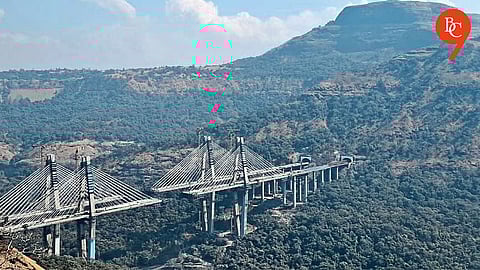
The Missing Link project, developed by the Maharashtra State Road Development Corporation (MSRDC), is expected to open to traffic on May 1, initially for cars and buses.
