
Pune, 8th June 2026: Punekars can expect improved public transport services as the Pune Mahanagar Parivahan Mahamandal Limited (PMPML) has adopted the 'Triple Five (555)' model, which aims to ensure that every citizen has access to a bus stop within 500 meters of their home and that buses are available at five-minute intervals.
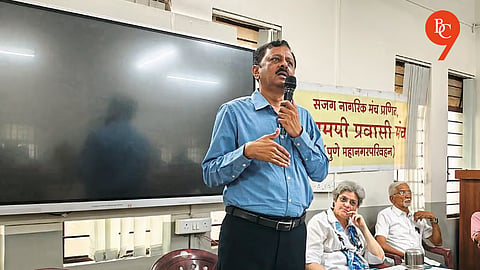
Speaking at a discussion organized by Sajag Nagrik Manch on whether PMPML has become the preferred mode of transport for Pune residents, PMPML Chairman and Managing Director Mahesh Awhad said the transport utility is working towards making public transport faster, safer, and more accessible.
He said 1,715 new buses will be inducted into the fleet by the end of the year, significantly strengthening the city's bus network.
According to PMPML officials, around 94 per cent of citizens currently have access to a bus stop within 500 meters. The next focus is on increasing service frequency to reduce waiting times and encourage greater use of public transport.
Awhad said the organization has also taken steps to improve operational efficiency. At present, only about 1.5 per cent of PMPML-owned buses and around 4.5 per cent of privately operated buses experience daily breakdowns. Contractors have been instructed to further reduce these figures and improve the current on-time performance rate of 92 per cent.
The installation of GPS-enabled ticketing machines has enabled real-time monitoring of bus operations, helping the administration track services more effectively and respond quickly to issues.
To enhance passenger safety, PMPML is equipping buses with CCTV cameras and dash cameras. Officials believe the surveillance systems will improve security, particularly for women passengers, and help prevent accidents. CCTV footage will also be used to investigate complaints, including cases where drivers fail to stop at designated bus stops.
The new measures are part of PMPML’s broader effort to make public transport a more dependable and attractive option for Pune commuters while meeting the growing mobility needs of the city.

