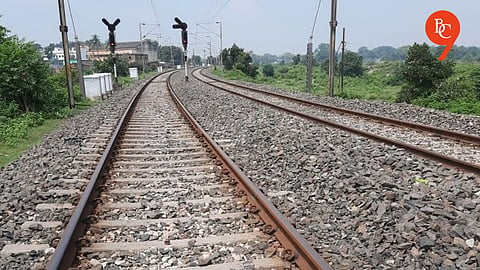

Pune, 4th June 2026: With currently functioning at 88 % of capacity, the Pune–Lonavala railway corridor has nearly reached its operational limit. The congestion has made it increasingly difficult for railway authorities to introduce new local train services or increase the frequency of existing ones.
The section is a crucial part of the Mumbai–Chennai Golden Quadrilateral route and handles heavy passenger and freight traffic every day. According to railway data from April 2026, capacity utilization on the route, including time reserved for maintenance activities, has reached an average of 88%.
As passenger numbers continue to rise, railway officials are facing growing challenges in accommodating additional services. The lack of available track capacity also makes it difficult to operate special trains during festivals and peak travel periods.
The crowded corridor has a direct impact on train punctuality. Even a minor delay to one train can disrupt the movement of several others operating on the same route. Railway authorities often have to balance priorities between different services, which can lead to delays for passengers.
The high volume of traffic is also affecting routine maintenance work. Regular upkeep of tracks, overhead electric wires, and signaling systems requires dedicated maintenance blocks, but continuous train operations leave limited time for such activities. This increases the possibility of technical faults and operational disruptions.
Freight services are also impacted, as goods trains are frequently held on loop lines to allow passenger and suburban trains to move first.
"The Pune–Lonavala route is currently operating at nearly 88% of its available capacity. Maintenance blocks are essential for safe railway operations, and we are making every effort to ensure passenger trains run on time despite the heavy traffic," said Hemant Kumar Behera, Public Relations Officer of the Pune Railway Division.
With the route nearing saturation, expanding local train services remains a significant challenge for the railway administration, even as demand from commuters continues to grow.

