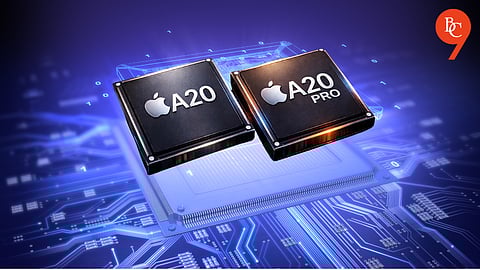


Apple is set to rely exclusively on Taiwan Semiconductor Manufacturing Company (TSMC) for its upcoming 2nm A20 chip, expected to cost around $280 per unit for the iPhone 18 Pro, marking an 80% price increase compared to the previous generation. This could make the A20 the "most expensive mobile chip in history," as the industry braces for rising costs.
The sharp price hike is a result of TSMC’s decision to raise prices on its advanced nodes, with the 2nm process being one of the most complex and expensive to manufacture. This may lead to higher iPhone 18 Pro prices as Apple absorbs these increases.
Apple is poised to make a major technological leap in 2026 with the adoption of a 2nm manufacturing process for its next-generation mobile chipset. The new chip, likely to be branded as the A20 or A20 Pro, is expected to power four key devices slated for release in September 2026. This shift to 2nm technology will enhance performance and efficiency, but it could also lead to higher prices.
Key Devices Expected:
iPhone 18 Pro
iPhone 18 Pro Max
Successor to the iPhone Air
Second-generation iPhone Fold
Reports from Taiwan say Apple’s chip partner TSMC is raising prices for advanced 2nm silicon wafers, which now cost around $30,000 (Rs. 27 lakh) each. In comparison, TSMC's 3nm wafers cost about $20,000 (Rs. 18 lakh). This price hike will lead to a nearly 87% increase in chip costs, with the A20 Pro processor potentially reaching $280 (Rs. 25,200), up from $150 for the A19 Pro.
The increase appears even more striking when observed over an extended timeframe. The estimated expense of the A20 series chip is expected to be multiple times greater than the approximately $50 cost linked to the A18 Pro. Apple could either decide to absorb the increased silicon expenses, which would reduce its profit margins, or transfer part of the cost to consumers by increasing iPhone prices in 2026.
