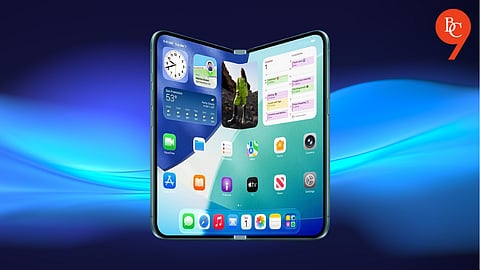


Apple appears to be on track to launch its long-anticipated foldable smartphone later this year, with fresh production updates suggesting the device has cleared a critical hurdle and is now moving steadily toward mass manufacturing.
The foldable, widely expected to be marketed as the iPhone Ultra, has reportedly had its core specifications finalised. Industry sources indicate that Apple has scheduled mass production to begin by the end of July, a timeline that has strengthened expectations of an unveiling at Apple's annual September event, likely alongside the iPhone 18 Pro lineup.
The Hinge Problem and How It Was Solved
Earlier this year, reports flagged a potential delay in the project: engineers had detected minor noises in the hinge mechanism during durability testing, raising concerns about the device's long-term reliability. For a company that guards its reputation for build quality as fiercely as Apple does, the issue was taken seriously.
However, industry sources now say those concerns have been largely addressed. The device has cleared its final verification phase, keeping the launch schedule intact. The hinge system is reportedly being supplied by two companies, Taiwan-based Hsinchu Hsing and US manufacturer Amphenol.
Samsung Display has received approval to begin supplying foldable display panels for the device, and production preparations have progressed to the module assembly stage, a sign that the broader manufacturing ecosystem is ready to scale.
What to Expect
Leaks and analyst reports point to a 7.8-inch inner foldable display paired with a 5.5-inch outer screen. The device is expected to be powered by Apple's A20 chip, carry a dual-camera system, and feature a Touch ID-enabled power button, a return to fingerprint authentication in a different form factor.
Pricing is expected to start at around $2,000, or roughly Rs 1.88 lakh in India, positioning the iPhone Ultra as Apple's most premium device to date. Analysts remain cautious on exact consumer availability, with some suggesting that even if the device is announced in September, shipments may only begin toward the end of 2026.
