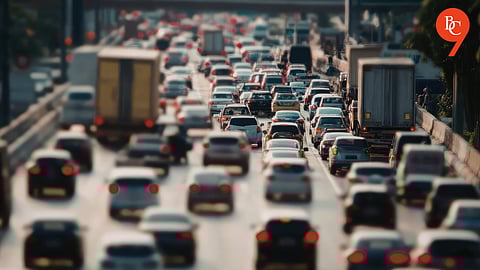


Pune, 25 February 2026: In a first for India, Pune’s city traffic police have teamed up with Google India to implement an advanced online traffic management system. The initiative, aimed at tackling the city’s growing congestion, leverages real-time data and technology to monitor traffic, optimize signal timings, and improve commuter safety across Pune.
“Last year, the state govt signed a memorandum of understanding (MoU) with Google India, following which a traffic application Trafficure was developed. The app leverages Google Maps to identify real-time traffic congestion, slow-moving traffic, and other road-related issues across the city. It is fast and provides real-time updates to the police,” Pune police commissioner Amitesh Kumar said on Monday. “Pune is the first city in India to implement such a project,” Kumar added.
Trafficure is a traffic management software launched by the Pune City Traffic Police in collaboration with Google India. It uses real-time data from Google Maps to monitor, manage, and improve urban traffic flow, helping reduce congestion and enhance road safety across the city.
Integration with Google Maps: Trafficure will leverages Google Maps data to monitor live traffic conditions across Pune. It will pull real-time GPS information from vehicles and smartphones, allowing the system to detect congestion patterns instantly and suggest optimal traffic management strategies.
Division into 550 Traffic Zones: The city is divided into 550 distinct traffic zones, each of which is individually monitored for vehicle density, speed, and congestion. This detailed method will enable authorities to implement specific measures, such as modifying traffic light schedules or dispatching police to key locations.
Real-Time Alerts and Traffic Signals: Trafficure will provides live congestion alerts to city traffic controllers and, in some cases, to commuters via apps. Signals and traffic lights can be dynamically adjusted based on current conditions to improve traffic flow and reduce bottlenecks.
Data-Driven Decision Making: The system will collect and analyze large volumes of traffic data to predict congestion trends. By understanding patterns (e.g., peak hours, accident-prone zones), Trafficure can proactively manage traffic rather than just reacting to jams.
Limitations: While powerful, Trafficure isn’t a magic fix. It depends on driver behavior, road conditions, and compliance with signals. Heavy rain, accidents, or unauthorized diversions can still disrupt traffic flow despite the system’s real-time monitoring.
Initial trials in Pune have shown promise: average vehicle speeds increased from 20 km/h to around 26.8 km/h in some areas. This indicates better traffic flow, reduced travel times, and more efficient commuting during peak hours.
